Carmen SergiouDR. SERGIOUFORENSIC NEUROSCIENCTIST
PROJECTSIMPACTSKILLSPUBLICATIONSFORNEUROTECH↗CONTACT
© 2026 | BLAISE STUDIO
NEURO × TECHNOLOGY × FORENSIC

Projects

TRACE THE JOURNEY

Ongoing and past research projects that connect neuroscience, behaviour, and technology to questions of justice and society.

Each line of work reflects a different thread in the same wider field of inquiry — from research design to public impact.

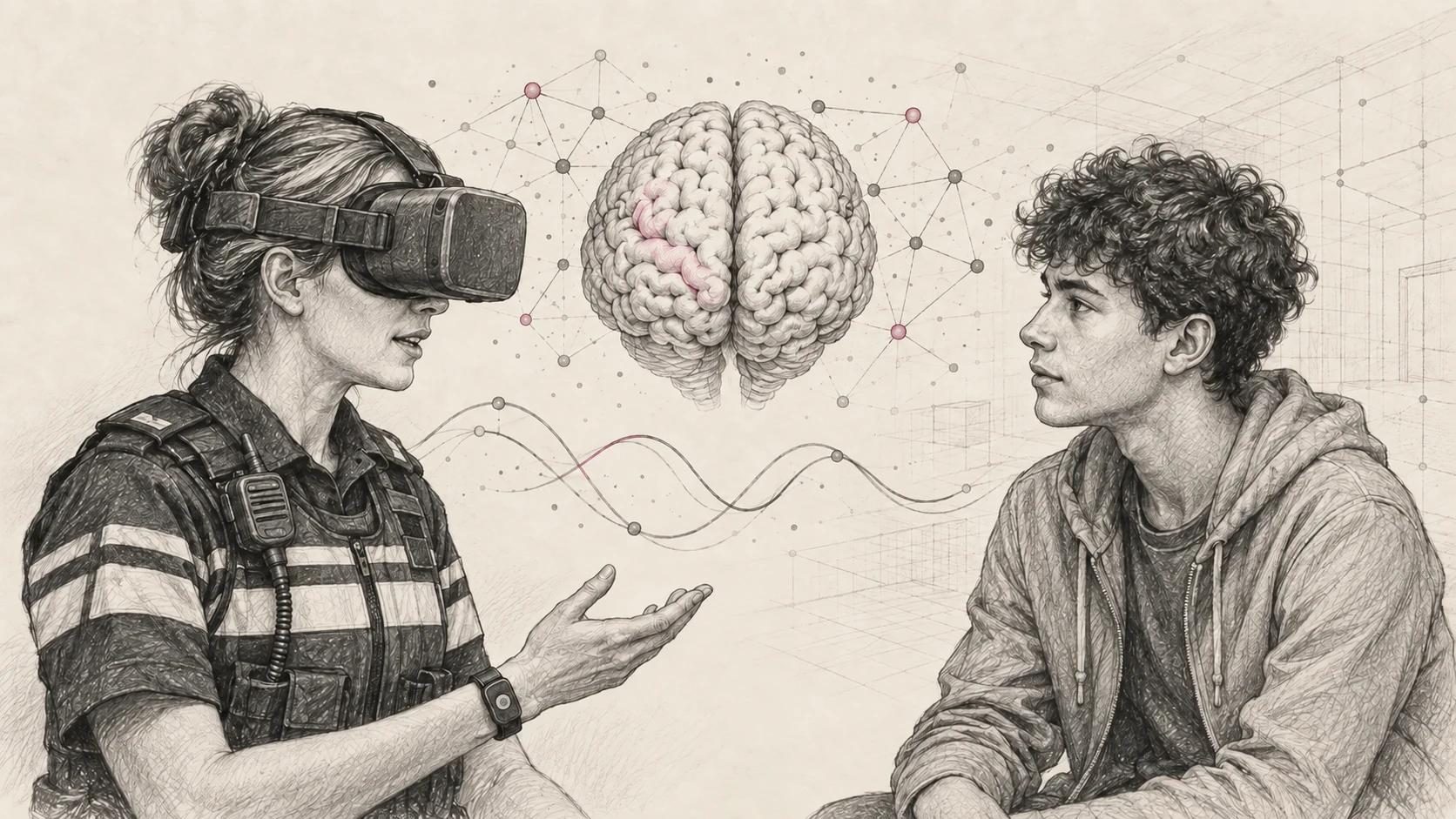
Pencil illustration of a police officer wearing a VR headset facing a young person, with a brain, neural connections and breathing waves representing stress and emotion regulation research.
2026

CONTEXT

CO-PI IMPACT Workpackage CONTEXT is an interdisciplinary research consortium focused on stress, emotion regulation, and behaviour. We study how stress affects the brain and body during challenging interactions. Our research focuses particularly on police professionals and young people in vulnerable situations. We combine neuroscience with biofeedback, virtual reality, and wearable technology. These tools help people recognize rising stress and practice emotion regulation in realistic situations. Ultimately, CONTEXT aims to reduce escalation, strengthen resilience, and improve interactions under pressure.

EXPLORE PROJECT →
2025

FORNEUROTECH Network

A knowledge network uniting scientists and practitioners to advance forensic neurobiology and technology. By fostering interdisciplinary collaboration, we seek to integrate neurobiological insights with forensic practice and promote evidence-based implementation of neurotechnological interventions.

EXPLORE PROJECT →
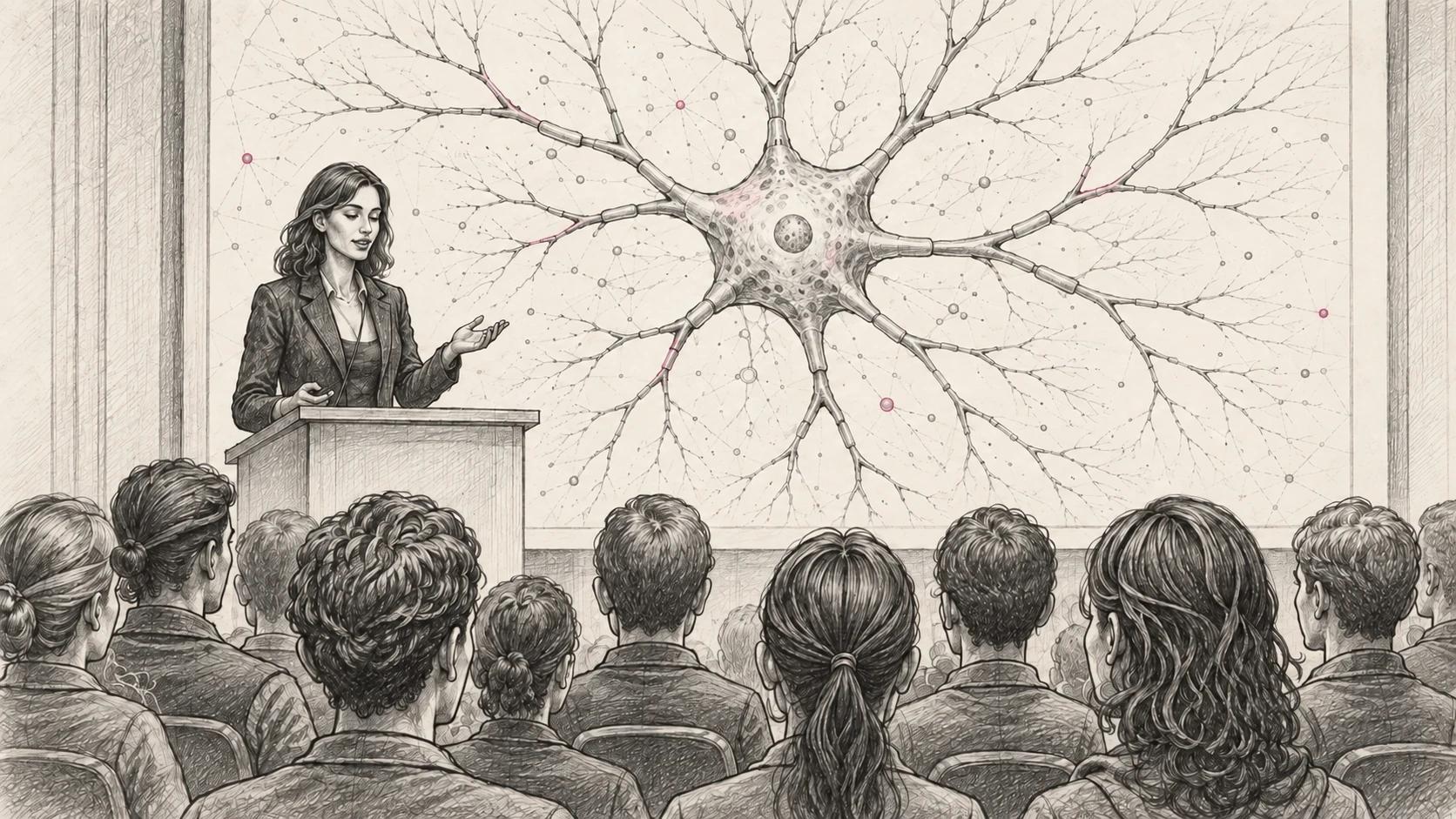
Speaker presenting beneath a branching neuron to an audience
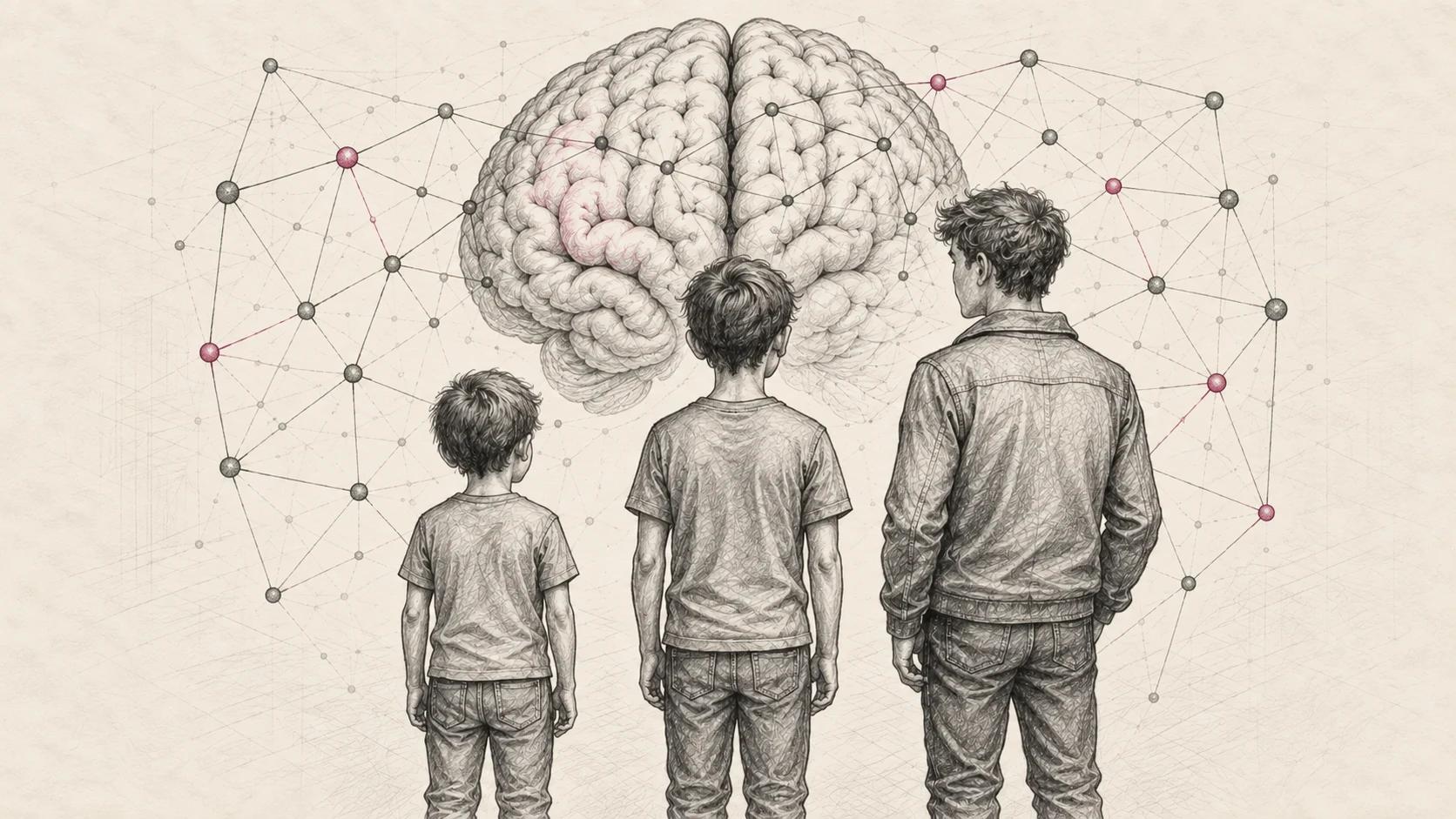
Three young people at different developmental stages beneath a brain
2024

Growing Up Together in Society (GUTS)

Postdoctoral researcher at Amsterdam UMC · Longitudinal study into the neuropsychological development of high-risk antisocial youth. GUTS GO investigates why some young people are at increased risk for antisocial behaviour, while most eventually desist as they grow older. As part of the Growing Up Together in Society (GUTS) research programme, we study these developmental pathways from a biopsychosocial perspective. The longitudinal cohort focuses on youth at risk. We examine the social, contextual, biological, and behavioural mechanisms involved in the persistence and desistance of antisocial behaviour. Particular attention is given to the role of self-regulation, aggression, empathy, and trust.

EXPLORE PROJECT →
2022

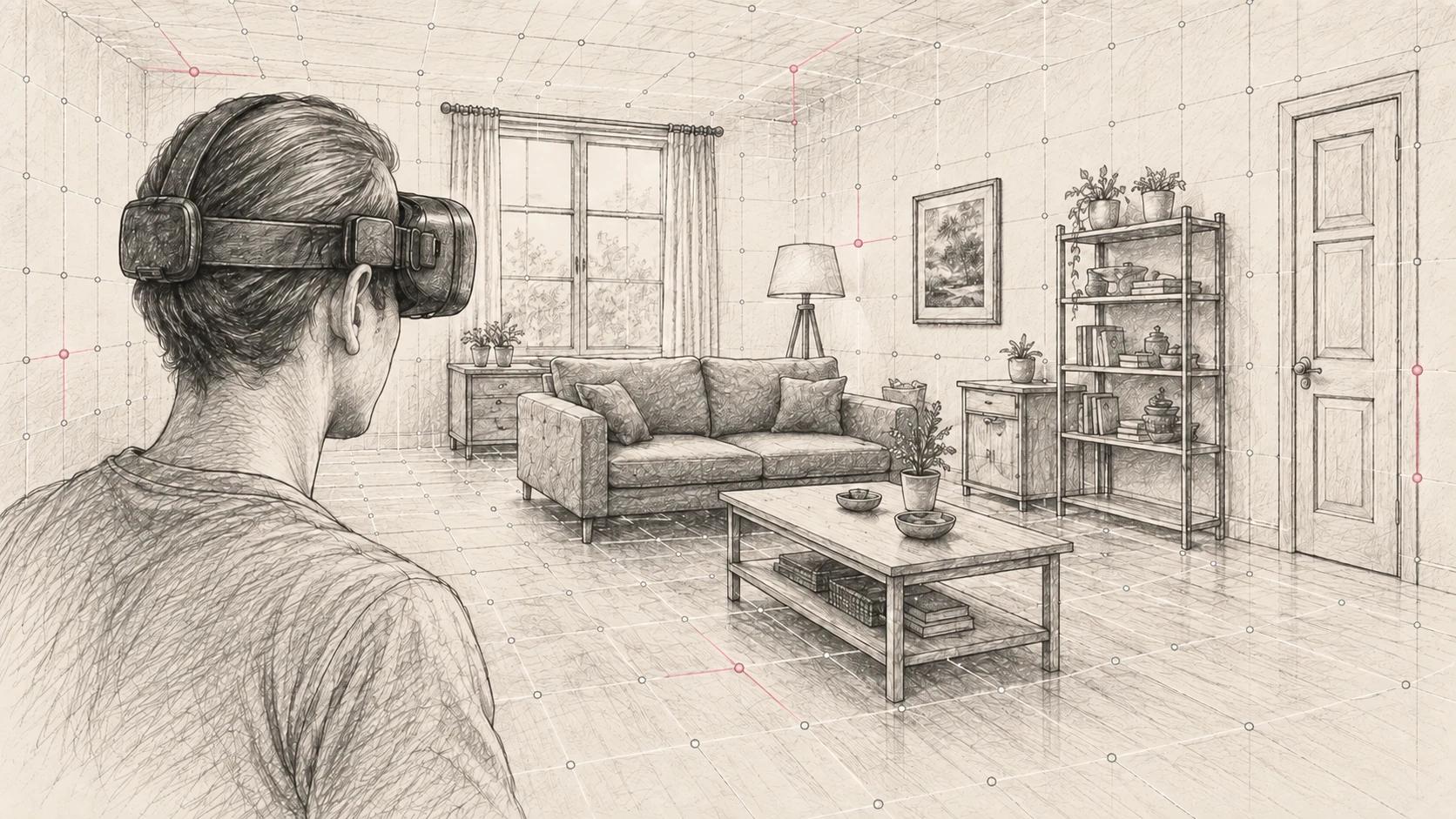
Virtual Burglary Project

Postdoctoral researcher · Virtual reality study into criminal decision-making among incarcerated burglars. The Virtual Burglary Project investigates how burglars assess their surroundings, identify potential targets, and weigh risks and opportunities. In collaboration with the Max Planck Institute for the Study of Crime, Security and Law in Freiburg, we studied 200 incarcerated burglars in the Netherlands as they explored virtual neighbourhoods. Combining immersive VR, eye-tracking, behavioural observations, and retrospective think-aloud interviews allowed us to examine both their actions and the reasoning behind them. Particular attention is given to environmental cues, criminal experience, and individual differences in decision-making, with the aim of advancing our understanding of burglary and informing crime prevention.

EXPLORE PROJECT →
Person wearing a VR headset and interacting with a virtual environment
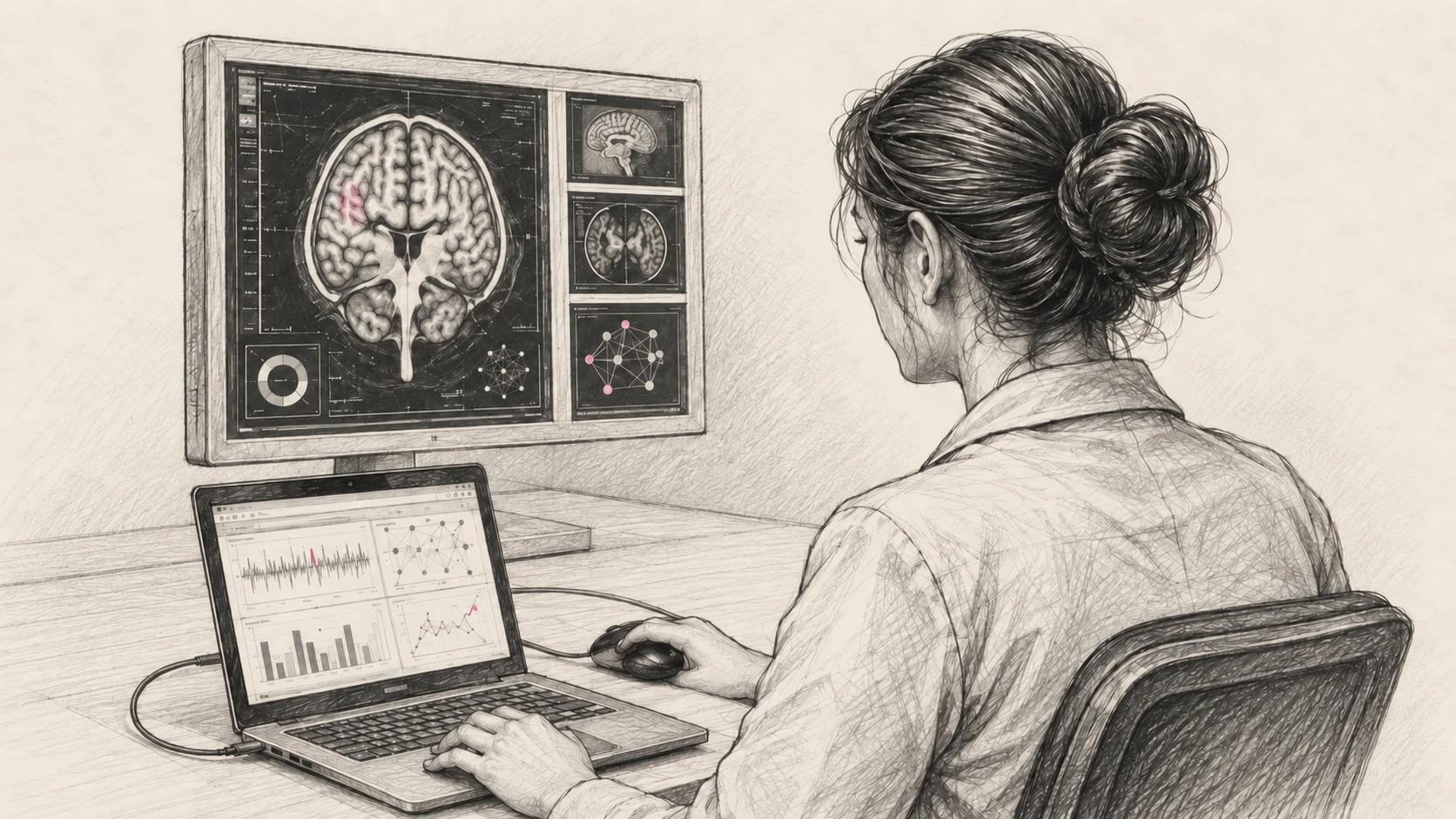
Person connected to brain-monitoring equipment beside a laptop
2023

Horizon Neuroscience (Boston)

Research team member · Research collaboration focused on brain health. During a brief involvement with Horizon Neuroscience, I contributed to its research team in collaboration with researchers from Harvard Medical School. The work focused on exploring solutions for brain health, connecting neuroscience research with potential applications.

EXPLORE PROJECT →
2019

Aftermath Psychopathy Foundation

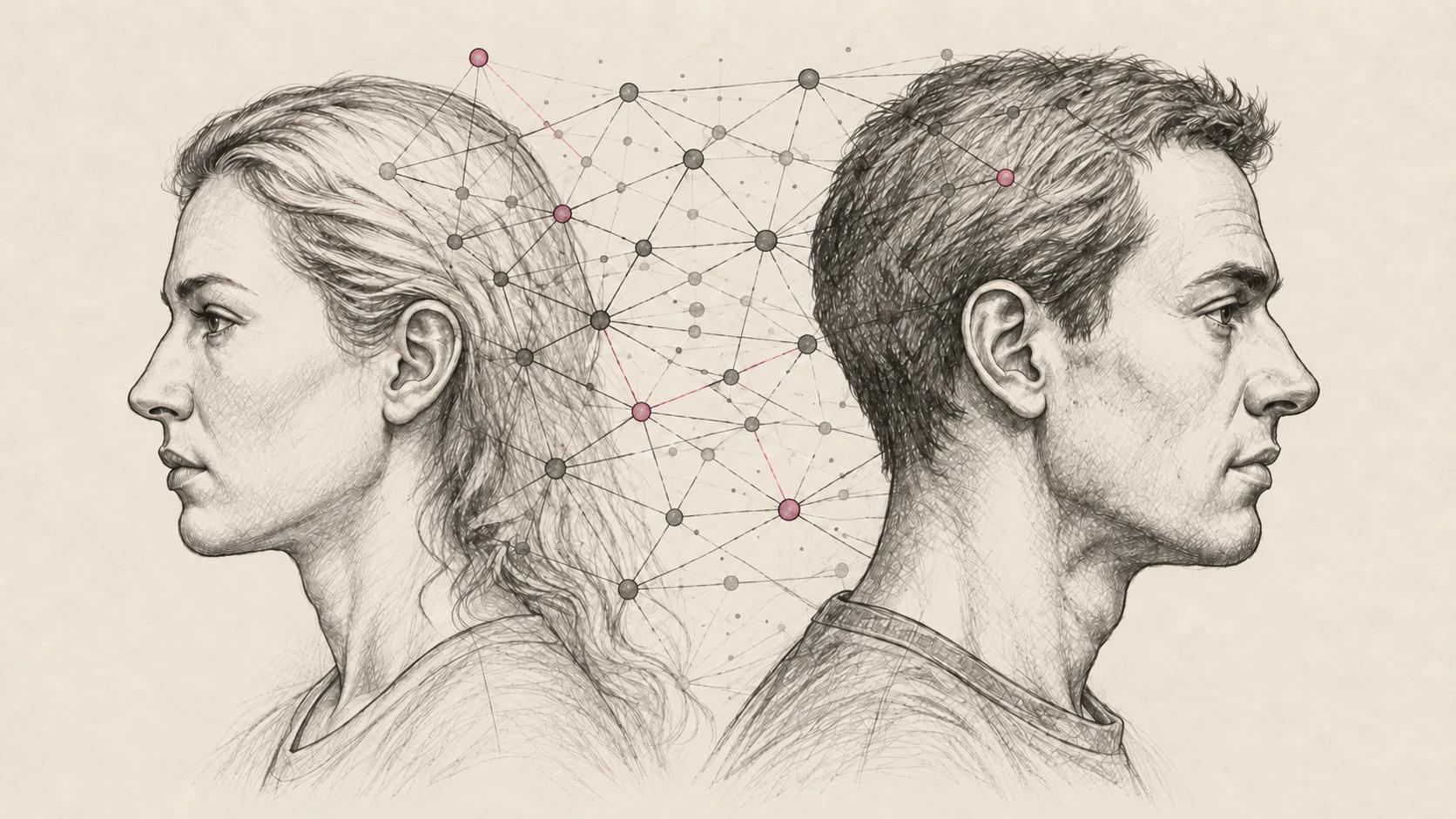
Head of Translations · Making information on psychopathy accessible to victims, survivors, and their families. Aftermath: Surviving Psychopathy is a nonprofit foundation that brings together researchers, mental health professionals, survivors, and families affected by psychopathy. It aims to raise awareness and reduce harm by sharing scientific knowledge, offering educational resources, and connecting people with support. Its website includes research summaries, expert perspectives, survivor experiences, and resources for recovery. As Head of Translations, I help make this information accessible across languages, supporting the foundation’s mission to reach people affected by individuals with psychopathic traits and strengthen the connection between research and lived experience.

EXPLORE PROJECT →
wo human profiles facing opposite directions with connected neural patterns
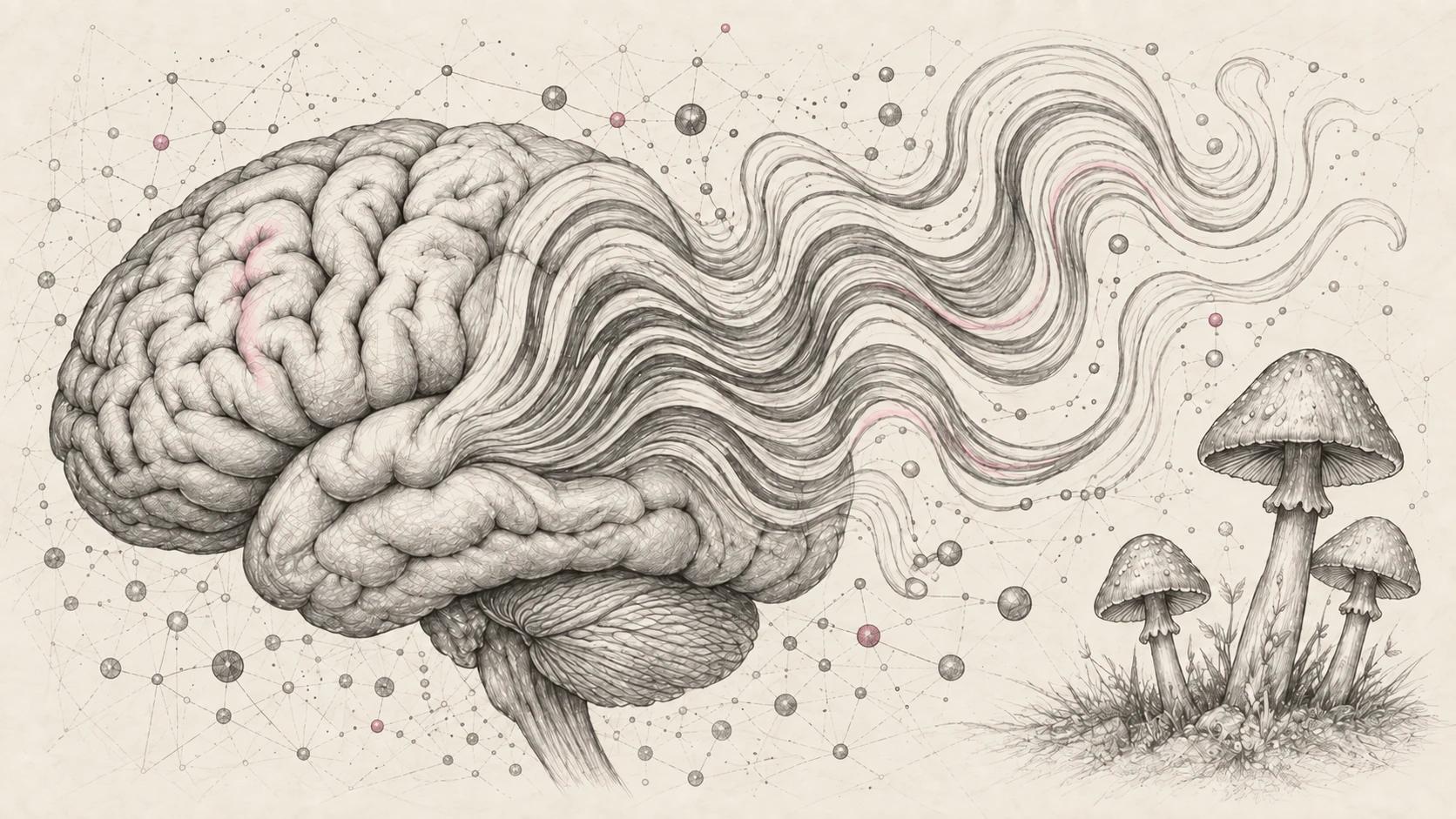
Brain surrounded by flowing psychedelic shapes and small mushrooms
2022

Open Foundation

Co-author · Report on the use of ketamine in treatment-resistant depression. OPEN Foundation is an independent, nonprofit organisation based in the Netherlands that advances research into psychedelics and their therapeutic applications. It brings together researchers, clinicians, policymakers, and other stakeholders through scientific conferences, professional education, and interdisciplinary exchange. Its work supports the safe, ethical, and responsible integration of these approaches into healthcare and society. My contribution consisted of co-authoring a report on the use of ketamine in treatment-resistant depression, contributing to the foundation’s broader mission of sharing scientific knowledge and informing discussions about emerging treatments in mental healthcare.

EXPLORE PROJECT →
2017

PhD Project — Understanding the Aggressive Brain: High-Definition transcranial Direct Current Stimulation (HD-tDCS) in reducing aggression"

PhD researcher at Erasmus University Rotterdam · Investigating brain stimulation as a potential intervention for aggression in forensic patients. My PhD research examined the neural mechanisms underlying aggression and the potential of non-invasive brain stimulation to support treatment in forensic care. Using High-Definition transcranial Direct Current Stimulation (HD-tDCS), I investigated whether stimulating the ventromedial prefrontal cortex could enhance empathy and reduce aggression. The research combined EEG, behavioural tasks, and self-report measures to examine changes in brain activity and behaviour in forensic patients. Findings provided proof-of-concept evidence for reductions in reactive aggression and changes in electrophysiological responses, supporting further investigation of HD-tDCS as an addition to existing treatments.

EXPLORE PROJECT →
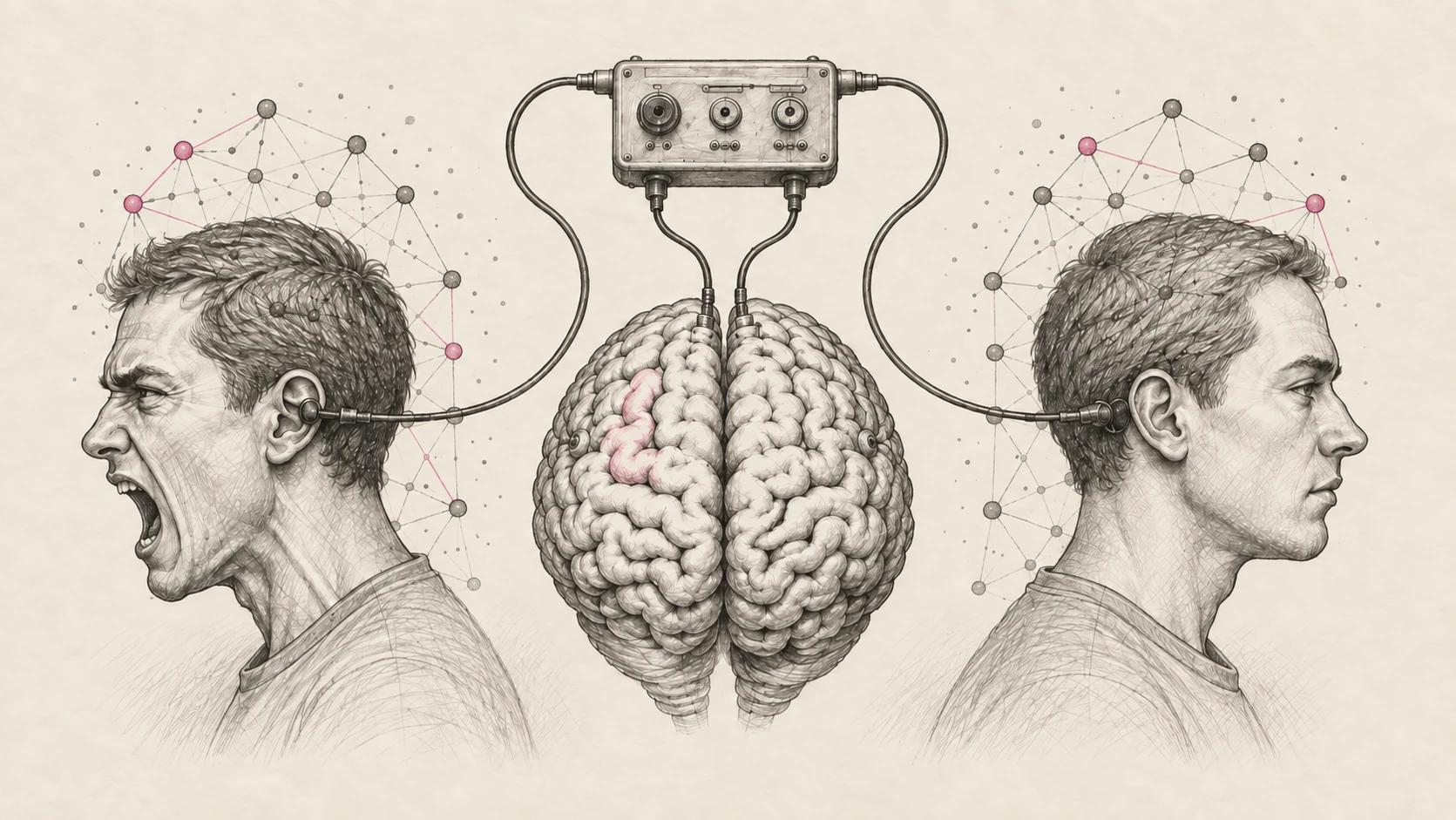
Brain stimulation device above a brain between contrasting emotional responses